Loading...
🚨 URGENT: Next Senate Hearing on March 17th 🚨
Read New Hampshire Turtle Rescue's official letter of opposition to HB 1603-FN here.
Read the written testimony submitted to the Senate Energy & Natural Resources Committee by NHTR's founders here.
Listen to the Senate Committee hearing on March 10th, 2026 here: Senate Committee Hearing on HB 1603-FN.
Read the NH Bulletin's coverage of the bill and hearing here: Environmental groups, biologists oppose endangered species bill in the Senate.
Turtles and all endangered wildlife in New Hampshire are depending on YOU to take action NOW. Read our article to learn how to contact your representatives and make a difference for New Hampshire's wildlife.
This extremely dangerous bill, HB 1603-FN, would strip away critical protections for endangered and threatened species in our state while costing taxpayers millions of dollars. On Tuesday, March 10th the Senate Committee for Energy and Natural Resources held a public hearing for this bill, which was continued - March 17th is the next public hearing, so we still have a chance to stop it before it becomes law.
You can join us in person to oppose the bill, or register your opposition remotely. Scroll to the Take Action Now section to learn how to take action remotely to OPPOSE this bill. Your voice can make the difference in protecting New Hampshire's wildlife.
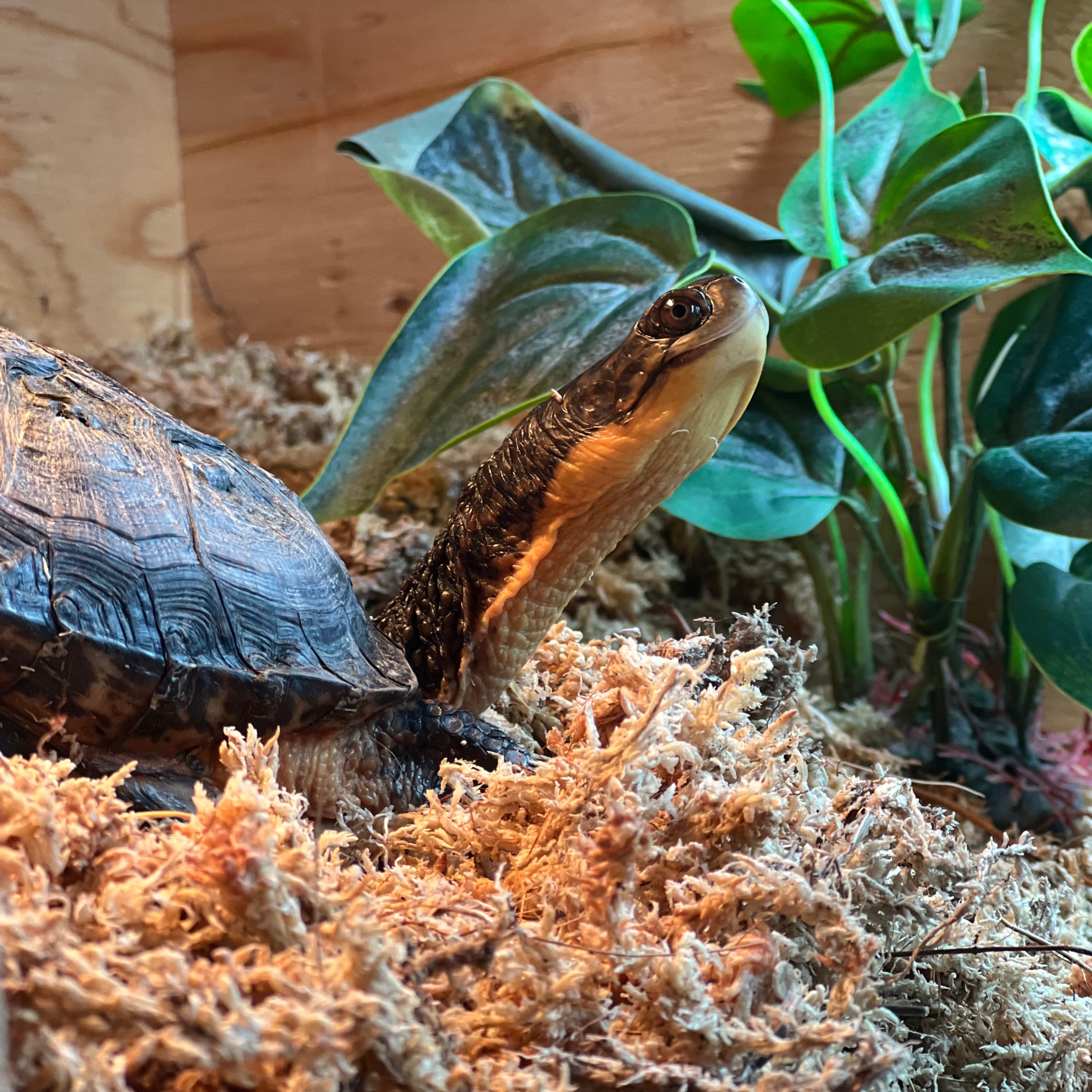
We need to make you aware of the most dangerous bill to endangered species we've ever seen in New Hampshire,HB-1603-FN.
4 out of 7 native New Hampshire turtle species are currently listed as endangered or threatened, and this bill would put them at even greater risk. It also threatens many other species that are already struggling to survive, including loons, bats, Canada lynx, and more. If we want to protect endangered and threatened species in New Hampshire, we must do everything we can to prevent this bill from passing.
This bill would invalidate the state’s database of endangered and protected species, which is used to help determine which species are in need of protection and the habitats they rely on. During the intitial stages of development, this database is used to determine if NH Fish and Game will review the project and make recommendations which can help prevent harm to any endangered species in the area before it happens.
Environmental reviews for endangered species are only performed when the database shows the presence of that species. These simple recommendations can include adjusting the timeline of the project to avoid critical breeding seasons, or implementing protective measures such as fencing to minimize harm - a small bit of protection that can go a long way to protecting all wildlife, especially those most vulnerable.
If passed, this bill requires NH Fish & Game Exective Director to establish new procedures to verify the accuracy of data, attempting to create a high burden of proof for identifying species that need protection, and invalidating existing data.It also would require written landowner permission, meaning that a single landowner has the discretion to decide whether an endangered species is protected on their land or not.Do you want developers and landowners with financial incentive to have the power to decide whether endangered species are protected or not?
Please consider joining us in-person at the public hearing on March 17th to show your opposition to this bill. The Senate Committee needs to see how many New Hampshire residents truly care about protecting our endangered species and are against this bill. Your presence at the hearing can make a powerful statement.
📅 Tuesday March 17th, 2026 @ 9:00am
📍 State House in Room 103
If you're unable to attend in person, you can also submit remote opposition to the Senate Committee, and contact committee members directly to express your opposition. Every voice matters, so please take action in whatever way you can! Following are instructions for how to take action remotely if you can't make it to the hearing.
Remote sign-in: NH Senate Remote Committee Sign-in
Senate Energy and Natural Resources Committee
Emailall membersof the Energy and Natural Resources Committee. If you're a constituent of any Senator, it's especially important they hear from you!
"I am writing to express opposition to bill HB 1603-FN. This bill will cost millions in taxpayer dollars and put New Hampshire's endangered species at greater risk. Please protect our wildlife and our taxpayers by opposing HB 1603."
Spread the word on social media and ask friends and family to submit their opposition and contact committee members too.
The amended bill will add the following two sections to RSA 212-A:9. Below each section are more in-depth explanations of their intent and impact.
There is already a process in place by Fish and Game to verify the accuracy of records for threatened and endangered wildlife. The existing observations have been assessed by biologists and verified; unverified observations are not entered into the database of records. This section of HB 1603 tries to solve a problem that does not exist, and further complicates the existing process.
Requiring new protocols and a review of the existing records is an unnecessary and potentially costly taxpayer-funded exercise that serves no purpose other than to try to increase the burden of proof to protect threatened and endangered wildlife from harmful activities.
Wildlife is a public resource that belongs to all citizens. Wildlife is not private property, even when it is inhabiting private property. A wild animal does not become the property of a landowner simply because it exists on their land. Observations of wildlife are also not the property of landowners. An observation of threatened or endangered wildlife on private land is a public resource that must be documented in order to be responsibly conserved.
HB 1603 would allow private landowners to block the reporting of public data from their property. This would undermine the integrity of wildlife management and put vulnerable species at even greater risk of extinction. Allowing the concealment of threatened and endangered wildlife observations will prevent these species from receiving the necessary protections to ensure their continued existence.
NH Fish & Game is responsible for managing wildlife statewide for the benefit of the public, regardless of whose property an animal happens to be on at any moment. Wildlife management practices should never be dictated by an individual landowner, because wildlife is a resource for everyone to enjoy.
Requiring documented landowner permission would also nullify many of the existing records of threatened and endangered species, most of which were obtained through verbal or other undocumented means of permission by landowners.
The protections for threatened and endangered species in New Hampshire are already incredibly meager, and this requirement would further erode those minimal protections, leaving our wildlife more vulnerable than ever.
If New Hampshire mismanages its wildlife to the point of species being listed under the federal Endangered Species Act, the federal government may require an even more complicated and potentially costly process.
Major conservation organizations across the state are united in opposing this harmful piece of legislation that will devastate New Hampshire's nature and wildlife.
Other New Hampshire organizations who also oppose this bill include:NH Fish and Game gave public testimony opposing the bill. NH Fish and Game Commission flipped last minute to support the bill. However, this is not the view of the experts in the agency, who testified against this bill at the House's public hearing BEFORE the Commission flipped their decision, and the situation has not changed. You can watch the opposing testimony from Mike Marchand, Supervisor of the Nongame and Endangered Wildlife Program at NH Fish and Game, and Dan Bergeron, the Chief of the Wildlife Division at NH Fish and Game here: NH Fish and Game Testifies Against HB 1603-FN.
We have a very short window to express our opposition to the Committee before it's voted on. You can read amended bill here.
The Senate Committee meets on March 17th, 2026. We have DAYS, not weeks, to stop this bill. Every voice matters.
Senate Committee Public Hearing: March 17th, 2026
Please support New Hampshire's wildlife when they need us most.
Our native wildlife cannot speak for themselves. Turtles, loons, bats, Canada lynx and many more are counting on us to be their voice in the legislature.
YOU are their voice.